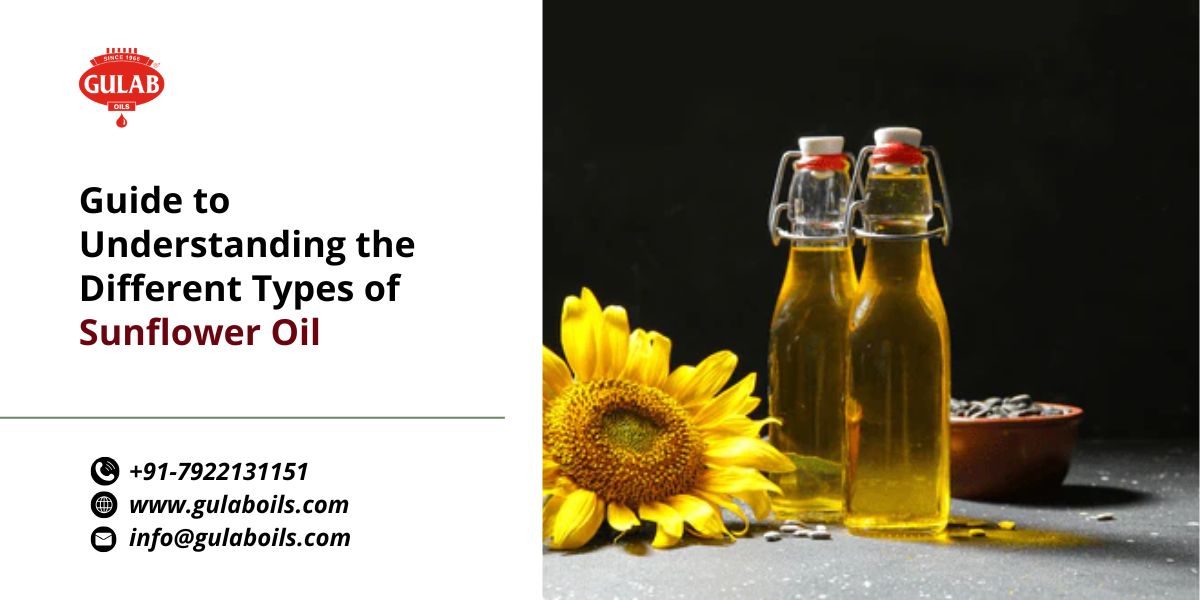
 Sunflower oil is one of the most commonly used cooking oils globally. It’s known for its light texture, neutral taste, and numerous health benefits, making it a staple in kitchens worldwide. However, not all sunflower oils are the same. There are various types available on the market, each with its own unique characteristics and uses. In this guide, we will explore the different types of sunflower oil, helping you choose the best option for your health and cooking needs.
1. What is Sunflower Oil?
Sunflower oil is extracted from the seeds of the sunflower plant (Helianthus annuus). The oil is rich in essential fatty acids, vitamins, and antioxidants, which contribute to its many health benefits. In India and across the globe, sunflower oil is popular for cooking, frying, and even in skincare and cosmetic products.
There are several types of sunflower oil available, each offering unique benefits based on its method of extraction and the variety of sunflower seeds used. Understanding these differences can help you make a more informed decision when selecting sunflower oil for cooking or other uses.
2. Types of Sunflower Oil
The primary types of sunflower oil ↗ differ based on their method of extraction, composition, and intended use. Here’s a breakdown of the main varieties available:
Refined Sunflower Oil
Refined sunflower oil is the most common type found in grocery stores and used for cooking. It’s produced by refining crude sunflower oil, which involves a series of processes such as bleaching, deodorizing, and filtering. This makes refined sunflower oil light in color, flavorless, and suitable for high-heat cooking.
Refined sunflower oil has a high smoke point of around 440°F (227°C), making it ideal for frying, sautéing, and deep-frying. The process of refining removes some of the natural nutrients, but refined sunflower oil remains a healthy option due to its high content of polyunsaturated fats and vitamin E.
Cold-Pressed Sunflower Oil
Cold-pressed sunflower oil is made using a mechanical process that doesn’t involve heat or chemicals. In this process, sunflower seeds are crushed, and the oil is extracted at lower temperatures to retain as many nutrients as possible. Cold-pressed sunflower oil is considered the most natural and healthiest option because it maintains a higher concentration of vitamins, minerals, and antioxidants compared to refined oils.
This type of sunflower oil has a slightly stronger flavor and is often used in salad dressings, dips, and drizzling over dishes. Although it has a lower smoke point than refined oil, it is still suitable for low-heat cooking and can be used for dressing salads, marinating vegetables, or making sauces.
High-Oleic Sunflower Oil
High-oleic sunflower oil is a specialized type of sunflower oil with an increased concentration of oleic acid, a monounsaturated fat. Oleic acid is known for its heart-healthy properties, as it helps reduce bad cholesterol levels and improve cardiovascular health.
This oil is produced from a specific variety of sunflower seeds that are bred to produce higher levels of oleic acid. High-oleic sunflower oil is considered to be one of the healthiest oils for cooking, as it is stable at high temperatures and has a longer shelf life than regular sunflower oil. It is ideal for deep frying, grilling, and sautéing.
Pure Sunflower Oil
Pure sunflower oil is often used interchangeably with refined sunflower oil, but it generally refers to oil that is free from additives or blends. This type of oil is typically refined but doesn’t go through additional processes like hydrogenation, making it a versatile and neutral option for various cooking needs. Pure sunflower oil is widely used in Indian kitchens for its light texture and ability to enhance the natural flavors of dishes without overpowering them.
Pure sunflower oil is also rich in vitamins and antioxidants, though the refining process may strip some of the nutrients. Despite this, it remains a healthy option due to its polyunsaturated fats and vitamin E content.
3. Benefits of Sunflower Oil
Sunflower oil offers numerous health benefits, making it a popular choice for families and professional kitchens alike. Here are some of the key health advantages:
-
Heart Health: Sunflower oil is rich in polyunsaturated fats, especially linoleic acid, which can help lower cholesterol levels and reduce the risk of heart disease. High-oleic sunflower oil is particularly beneficial for heart health due to its higher concentration of monounsaturated fats, which are known to improve cardiovascular function.
-
Antioxidants: Sunflower oil contains vitamin E, a powerful antioxidant that helps protect the body from oxidative stress and reduces the risk of chronic diseases. Vitamin E also helps support the immune system and promotes healthy skin.
-
Skin and Hair Care: Due to its moisturizing properties, sunflower oil is also used in skincare and hair care products. It is gentle on the skin and helps keep it hydrated. Many people use sunflower oil as a natural moisturizer to treat dry or irritated skin. It’s also used in hair treatments to nourish and strengthen hair strands.
-
Digestive Health: Sunflower oil promotes digestion by stimulating the production of bile in the liver, which aids in the breakdown and absorption of fats. It can also help reduce digestive issues like constipation and bloating.
4. Choosing the Best Sunflower Oil
When selecting sunflower oil, it’s important to consider several factors, such as the method of extraction, nutritional content, and intended use. The best sunflower oil for your needs will depend on your personal preferences and cooking habits.
-
For High-Heat Cooking: If you’re looking for an oil that can withstand high cooking temperatures, refined sunflower oil or high-oleic sunflower oil is the best choice. These oils have high smoke points, making them ideal for frying and sautéing.
-
For Cold Dishes and Low-Heat Cooking: If you prefer a more natural and nutrient-rich option, cold-pressed sunflower oil is ideal. It’s perfect for salad dressings, drizzling over dishes, and preparing cold dishes where the oil’s flavor and nutritional value can be enjoyed.
-
For Heart Health: For those who are specifically looking for heart-healthy options, high-oleic sunflower oil is an excellent choice. It’s rich in monounsaturated fats that can help support cardiovascular health and improve cholesterol levels.
5. Sunflower Oil in India
In India, sunflower oil is one of the most popular cooking oils due to its neutral flavor, high smoke point, and affordability. It is commonly used in a variety of Indian dishes, from fried snacks to curries, and has become a staple in many households.
The demand for sunflower oil in India has been steadily increasing, with both refined and pure sunflower oil being widely available. As the awareness of health and nutrition grows, many consumers are now opting for healthier options, such as high-oleic sunflower oil and cold-pressed variants.
Conclusion
Sunflower oil is a versatile, healthy, and affordable cooking oil that offers a range of benefits for both cooking and wellness. Understanding the different types of sunflower oil—refined, cold-pressed, high-oleic, and pure—can help you choose the best option for your family’s needs. Whether you're frying, sautéing, or making salad dressings, sunflower oil provides a healthy alternative to other oils, supporting heart health, skin health, and overall well-being.
If you're looking for high-quality sunflower oil, Gulab Oils ↗ offers the finest pure and refined sunflower oil options, perfect for your family’s health and cooking needs. Contact us ↗ today to learn more about our products and how we can help you bring the best sunflower oil to your kitchen.