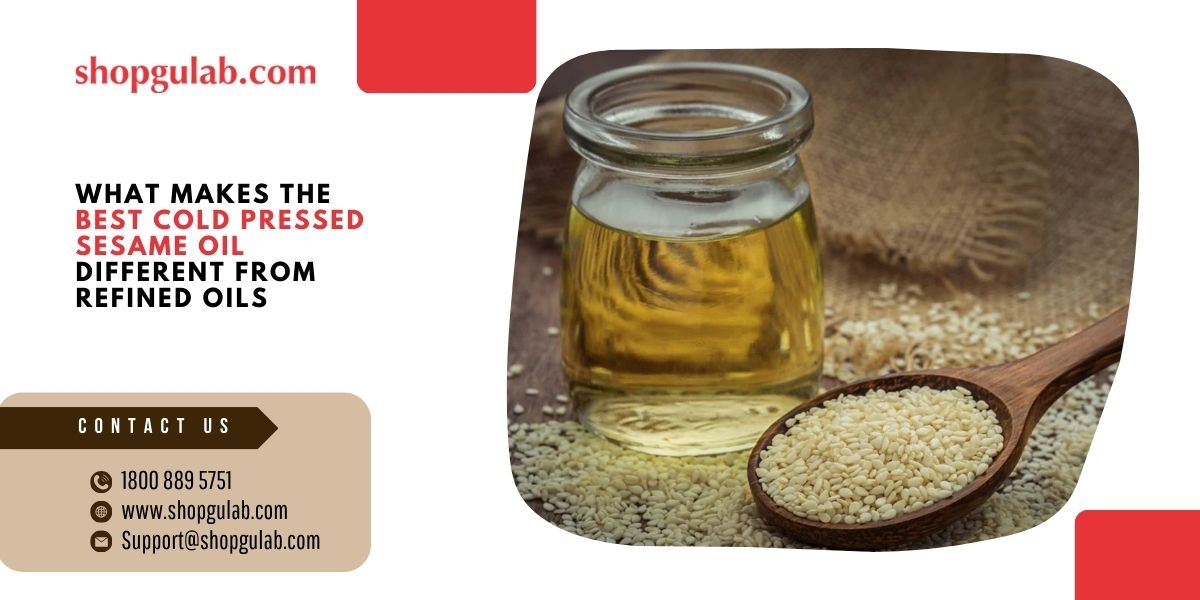
 Cooking oils play an important role in everyday meals. The type of oil used can influence not only the flavor of food but also the overall cooking experience. Among traditional oils, sesame oil has long been valued for its rich taste and versatility in many cuisines. Today, many households are rediscovering the benefits of oils extracted using traditional methods rather than modern refining processes.
One option gaining popularity in natural kitchens is cold pressed sesame oil. Many people prefer this oil because it is produced using a gentle extraction method that preserves its natural qualities. Understanding how it differs from refined oils can help consumers make better choices for their daily cooking.
Understanding Cold Pressed Sesame Oil
Cold pressed sesame oil is extracted from sesame seeds without using excessive heat during the production process. This technique helps maintain the natural aroma, taste, and character of the oil. Because the oil is handled carefully, it retains the flavor profile that sesame seeds naturally provide.
Many people refer to sesame oil as cold pressed til oil, especially in regions where til is the traditional name for sesame seeds. This oil has been used in traditional cooking practices for generations and remains an essential ingredient in many kitchens today.
Cold pressing focuses on preserving the natural properties of sesame seeds rather than maximizing large-scale production. As a result, the oil often has a richer aroma and deeper taste compared to refined versions.
How Refined Sesame Oil Is Produced
Refined oils follow a very different production process. During refining, oil is extracted using high heat and industrial techniques designed to increase yield and create a consistent product. The oil then goes through multiple processing stages such as bleaching, deodorizing, and filtering.
These processes are often used to create oils that have:
-
A neutral flavor
-
Longer shelf stability
-
Uniform color and texture
-
High production efficiency
While refined oils are widely available and commonly used in commercial cooking, the additional processing steps may remove some of the natural aroma and flavor that many people appreciate in traditional oils.
Flavor and Aroma Differences
One of the most noticeable differences between cold pressed and refined oils is flavor. Sesame seeds naturally contain aromatic compounds that give the oil its distinctive taste. When oil is extracted through cold pressing, these characteristics remain more noticeable.
Cold pressed sesame oil often provides:
-
A strong nutty aroma
-
Rich and distinctive flavor
-
A deeper golden color
-
A more authentic sesame taste
Refined sesame oil, on the other hand, usually has a milder taste. Because it goes through multiple processing stages, its natural aroma is often reduced.
For home cooks who enjoy the traditional flavor of sesame oil, cold pressed oil tends to offer a more satisfying cooking experience.
Traditional Use in Cooking
Sesame oil has been used for centuries in traditional cooking across many cultures. Cold pressed sesame oil for cooking is especially popular in kitchens that value authentic flavors and traditional recipes.
Some common culinary uses include:
-
Preparing vegetable stir-fries
-
Cooking traditional curries
-
Adding flavor to rice dishes
-
Mixing into sauces and marinades
-
Drizzling over finished dishes for aroma
Because sesame oil has a naturally rich taste, even a small amount can enhance the flavor of a recipe. This makes it a valuable ingredient in many home kitchens.
Organic Sesame Oil and Natural Production
In recent years, interest in organic food products has increased. Organic cold pressed sesame oil is produced from sesame seeds grown using natural farming practices that avoid synthetic chemicals.
Organic oils are often chosen by consumers who prefer products that align with sustainable agriculture and responsible farming methods. Organic sesame seed oil cold pressed through traditional techniques may appeal to buyers who want a cooking oil that reflects careful sourcing and natural processing.
While organic options may sometimes cost more, many consumers appreciate the transparency and attention to detail involved in their production.
Understanding Price Differences
When comparing oils, buyers often notice differences in cold pressed sesame oil price across brands and packaging sizes. These variations are usually influenced by several factors related to production and sourcing.
Some key factors affecting price include:
-
Quality of sesame seeds used
-
Organic farming practices
-
Cold pressing extraction method
-
Packaging and storage standards
-
Brand reliability and product sourcing
Cold pressing typically requires more careful handling and slower extraction compared with industrial refining. Because of this, the oil may sometimes be priced slightly higher than refined alternatives. However, many households feel the flavor and authenticity justify the difference.
The Role of Cold Compression in Oil Production
Another term sometimes used when discussing sesame oil is cold compressed sesame oil. Cold compression refers to the mechanical pressure used to extract oil from seeds without exposing them to excessive heat.
This process helps maintain the original characteristics of sesame seeds while producing oil suitable for everyday cooking. The gentle nature of cold compression is one of the reasons traditional oil extraction methods continue to remain popular.
Choosing the Right Sesame Oil
Selecting the right sesame oil for your kitchen involves more than simply comparing prices. Buyers should also consider product transparency, packaging quality, and brand reputation.
When choosing sesame oil, it is helpful to check:
-
Clear labeling that indicates cold pressed extraction
-
Product description explaining edible use
-
Reliable packaging that protects the oil
-
Transparent sourcing information
-
Positive customer feedback about the brand
These factors can help ensure the oil you choose meets your expectations for both flavor and quality.
Why Many Kitchens Prefer Cold Pressed Oils
The growing popularity of cold pressed oils reflects a broader shift toward natural cooking ingredients. Many households prefer oils that feel authentic, simple, and closer to traditional preparation methods.
Cold pressed sesame oil offers a balance of flavor, versatility, and traditional value. It works well in both everyday cooking and special recipes that rely on the unique aroma of sesame seeds.
By choosing oils produced through careful extraction methods, consumers can bring a more natural ingredient into their kitchen.
Conclusion
Cold pressed sesame oil stands apart from refined oils because of its traditional extraction method, rich aroma, and authentic flavor. While refined oils focus on large-scale production and neutral taste, cold pressed oils preserve the natural qualities of sesame seeds. This difference makes them especially appealing to households that value traditional cooking ingredients and natural food preparation methods. Whether you are exploring organic sesame seed oil cold pressed for the first time or searching for the best cold pressed sesame oil ↗ for everyday recipes, choosing a reliable brand can make a significant difference. At Shop Gulab ↗, we focus on providing carefully sourced oils that bring authentic flavor to your kitchen. If you would like to learn more about our sesame oil products or place an order, contact us today and discover the value of natural cooking oils for your home.